
December Overview
December has 31 days, marking the winter solstice Dec 21/22. Sunrise/sunset times shift across month. Timing influences. December is the last month of the year, bringing festive celebrations worldwide. People worldwide plan events, travel, and reflect on the year’s journey Its chilly weather invites cozy indoor gatherings!!

Number of Days

December has a fixed length of thirty‑one days, a fact that provides a reliable framework for planners, educators, and businesses alike. This consistency simplifies scheduling, allowing institutions to set recurring events, deadlines, and fiscal periods with confidence. For example, many academic calendars use the 31‑day span to structure semester breaks, while corporate planners align project milestones to the month’s end. The uniformity also benefits personal time‑management; individuals can anticipate the rhythm of weekly cycles, knowing that each week will contain the same number of days, and that the month will conclude on the 31st. Because December’s 31‑day length remains constant, it allows precise calculation of work weeks, fiscal quarters, and holiday planning, giving a rhythm that supports personal goals, fostering stability during winter for families and friends now!!
Solstice and Seasonal Significance
December’s winter solstice, falling on December 21 or 22 depending on the year, marks the shortest day and longest night of the year in the Northern Hemisphere. This celestial event signals the official start of winter, a transition that has shaped human culture for millennia. Ancient societies celebrated the solstice with festivals, feasts, and rituals that honored the return of light. In modern times, the solstice remains a focal point for holiday traditions, from lighting candles and lanterns to gathering with family and friends to share stories and meals. The solstice also carries scientific significance: it provides a convenient reference point for astronomers and climatologists to calibrate seasonal models, study atmospheric patterns, and track changes in daylight hours. For those who enjoy outdoor activities, the solstice is a cue to plan winter sports, such as skiing, snowboarding, and ice skating as the cold temperatures and shorter daylight hours create ideal conditions. Additionally, the solstice is a reminder of the planet’s axial tilt and orbital mechanics, offering an educational opportunity for schools and science centers to engage students in hands‑on learning about astronomy, geography, and the natural world. The cultural resonance of the solstice extends beyond the Northern Hemisphere, with many Southern Hemisphere communities welcoming the summer solstice in December, celebrating the longest day of the year with festivals, music, and community gatherings. Whether you observe the solstice as a spiritual, cultural, or scientific event, it remains a powerful symbol

Sunrise and Sunset Times
In December, sunrise and sunset times vary significantly across latitudes. In the Northern Hemisphere, the days are short; for example, in New York City, sunrise is around 7:45 a.m. and sunset near 4:30 p.m., while in London, sunrise occurs close to 8:00 a.m. and sunset around 4:00 p.m. In the Southern Hemisphere, the pattern reverses: in Sydney, sunrise is around 6:30 a.m. and sunset near 6:00 p.m., whereas in Cape Town, sunrise is about 7:00 a.m. and sunset around 5:30 p.m. These times shift gradually each day, with sunrise moving later and sunset earlier as the solstice approaches. Accurate sunrise and sunset data are essential for planning outdoor activities, photography sessions, and religious observances. Many printable PDF calendars provide a table of daily sunrise and sunset times, allowing users to schedule events around daylight. Additionally, some calendars include the length of daylight in minutes, giving a quick reference for how many hours of usable light are available each day. When using a December PDF calendar, it is helpful to consult a reliable source such as the National Oceanic and Atmospheric Administration (NOAA) or the U.S. Naval Observatory for precise times tailored to your specific location. By aligning your schedule with these natural rhythms, you can maximize daylight usage, reduce energy consumption, and enjoy the seasonal beauty of winter mornings and evenings; Examples: Oslo sunrise 8:15 a.m., sunset 3:45 p.m.; Moscow sunrise 7:30 a.m., sunset 4:00 p.m. Daylight spans 9–10 hours. PDFs often list minutes, icons, and quick‑look charts, aiding planners to sync events with daylight. Use sunrise times for early hikes or sunset concerts for light.!!

PDF Calendar Resources
Free, official, and customizable PDF calendars are available from government sites, educational portals, and design platforms. Download printable PDFs in PDF, PNG, or SVG formats, or use online editors to tailor layouts, add notes, and share via email or cloud storage. Enjoy organized planning! for all seasonsand
Official Printable PDFs
Official printable PDFs are distributed by government agencies, educational boards, and reputable non‑profit organizations. The U.S. National Oceanic and Atmospheric Administration (NOAA) offers a yearly calendar PDF that includes sunrise and sunset times for each day, along with weather‑related notes. State departments of transportation publish holiday schedules and school break dates in PDF format, ensuring accessibility for public use. Many university calendars are available for download on institutional websites, featuring academic calendars, exam periods, and faculty holidays. Additionally, the Library of Congress hosts a collection of historical calendars in PDF, providing a unique resource for researchers and enthusiasts. These PDFs are typically free, searchable, and compatible with screen readers, making them ideal for both print and digital planning. Users can download directly from the official site, verify authenticity through digital signatures, and print at home or at a local print shop. The PDFs often include hyperlinks to related resources, such as event listings and weather forecasts, enhancing the utility of the calendar for planners, educators, and families alike. By using these official documents, individuals can rely on accurate dates, official holidays, and institutional schedules without the risk of misinformation that may appear on unofficial sites.
These PDFs are high‑resolution, crisp for printing. They list public holidays and key dates, ideal for teachers, planners, and families. Many institutions offer them freeof charge

Customizable Calendar Templates
Customizable calendar templates let users tailor December layouts to personal or business needs. Many design platforms—such as Canva, Adobe Express, and Microsoft Office—offer drag‑and‑drop interfaces where users can insert photos, add event markers, and adjust color schemes. Templates often include placeholders for sunrise and sunset times, holiday annotations, and space for notes or to‑do lists. Users can export the finished calendar as a PDF, ensuring high‑resolution print quality or easy sharing via email or cloud storage. Some templates are free, while premium versions provide additional fonts, icons, and advanced layout options. For educators, templates can be adapted to include lesson plans, exam dates, and school holidays. Small businesses can brand the calendar with logos, product launch dates, and promotional events. The flexibility of editable PDFs means that changes can be made on the fly—such as adding a last‑minute holiday or adjusting a meeting date—without recreating the entire document. Many template providers also offer mobile‑friendly versions that sync with digital calendars, allowing users to receive reminders for important dates. By leveraging these customizable options, planners can create a cohesive visual tool that aligns with their style and functional requirements.
When choosing a template, consider file size and resolution—higher DPI ensures crisp prints but increases file size. Templates support hyperlinks to weather forecasts or holiday countdowns. Users can layer transparent graphics for designs on different paper stocks. Some platforms allow collaboration, letting team members edit the calendar in real time. Finally, after finalizing the design, users should perform a print preview to check margins, bleed, and color calibration, ensuring the printed calendar meets professional standards. Enjoy planning! . Happy!
Download Sites and Formats
For those seeking a ready‑made December PDF, several reputable download sites provide free, high‑res files. The National Park Service offers a download PDF that includes sunrise and set times, holiday markers, and a clean grid layout. Timeanddate.com hosts a printable calendar in PDF format with embedded links to daily weather forecasts. Printable Calendar supplies both PDF and JPEG versions, allowing users to choose between vector‑based printing or raster images for digital use. Calendar Labs offers a customizable template that can be downloaded as a Word document or exported to PDF after editing. For professionals who prefer spreadsheet integration, Excel templates are available on Office Templates, featuring adjustable columns for notes and event reminders. Each file type is optimized for its intended use: PDFs preserve layout fidelity for printing, JPEGs are ideal for quick sharing on social media, and Word or Excel files enable direct editing of dates and notes. Users should verify that the chosen format supports their printer’s DPI settings and that the file size remains manageable for email attachments or cloud uploads. By selecting the appropriate site and format, planners can ensure a seamless transition from digital download to physical or virtual calendar use.
Many sites also offer a ZIP archive that bundles the PDF with an editable Word file and a set of icons in PNG format. If you prefer a vector version, look for an SVG file that can be scaled without loss of quality. Always check the license terms before using the calendar for commercial purposes. today, now

Holiday and Observances in December
December hosts global celebrations: Christmas (Dec 25), Hanukkah (dates vary), Kwanzaa (Dec 26‑Jan 1), and Boxing Day (Dec 26). National observances include World AIDS Day (Dec 1), International Day of Persons with Disabilities (Dec 3), and National Day (varies by country).
Celebrate with loved ones today.

Major Holidays (Christmas, Hanukkah, etc.)
December’s most celebrated holidays span diverse cultures and faiths, offering a rich tapestry of traditions, symbols, and communal joy. At the heart of the month is Christmas, observed on December 25 by billions worldwide. It commemorates the birth of Jesus Christ, inspiring countless customs such as decorating evergreen trees, exchanging gifts, singing carols, and sharing feasts.
Hanukkah, the Jewish Festival of Lights, typically falls between late November and early December, depending on the Hebrew calendar. Celebrated for eight nights, the holiday marks the rededication of the Second Temple in Jerusalem. Families light a menorah, play a dreidel, and enjoy foods fried in oil, symbolizing the miracle of the oil that burned for eight days. The holiday’s themes of faith, resilience, and community resonate across the globe.
Kwanzaa, an African‑American cultural celebration, runs from December 26 to January 1. Founded in 1966 by Dr. Maulana Karenga, it honors African heritage, unity, and self‑determination. Participants gather to light the kinara, a seven‑candle holder, and discuss the seven principles—Nguzo Saba—such as Umoja (unity), Kujichagulia (self‑definition), and Ujima (collective work). Festivities include storytelling, music, dance.
Boxing Day, observed on December 26, originated as a day to give gifts to the less fortunate. Today it is synonymous with post‑Christmas shopping, sporting events, and family gatherings. In the UK, Canada, Australia, and others, it remains a public holiday, allowing citizens to relax and enjoy the festive season’s aftermath.
Other notable observances include the Feast of the Immaculate Conception (December 8), St. Stephen’s Day (December 26), and the International Day of Persons with Disabilities (December 3). These dates add layers of cultural, religious, and social significance to the month, inviting reflection, gratitude, and community engagement.
Together, these holidays weave a mosaic that enriches December’s calendar, offering celebration and connection across diverse traditions &joy??.
National Days and Awareness Events
December hosts a multitude of national observances and awareness campaigns that highlight social causes, cultural heritage, and public health. In the United States, National Human Rights Day (December 10) encourages reflection on civil liberties, while National Day of the Girl Scout (December 13) celebrates the organization’s impact on youth empowerment. The month also features World AIDS Day (December 1), a global rally to raise awareness about HIV prevention and treatment. In Canada, National Day for Truth and Reconciliation (December 5) honors Indigenous peoples and acknowledges the legacy of residential schools. The United Kingdom observes St. Stephen’s Day (December 26), a public holiday rooted in medieval tradition. Internationally, December 3 is designated as International Day of Persons with Disabilities, promoting inclusion and accessibility worldwide. Additionally, World Tuberculosis Day (December 24) focuses on tuberculosis control and eradication efforts. These events, often marked by community gatherings, educational programs, and digital campaigns, provide opportunities for civic engagement and collective action. By integrating these observances into personal and professional calendars—especially through downloadable PDF calendars—individuals and organizations can align their schedules with meaningful causes, ensuring that December’s days are celebrated with awareness, solidarity, and purpose!!

Using December PDFs for Planning
December PDFs help structure holiday travel, gift lists, and work deadlines. Print or edit templates to mark birthdays, meetings, and observances. Digital PDFs sync with calendars, enabling reminders for seasonal events and budget tracking. They streamline planning, reduce clutter, and boost productivity. Plan now. Stay organized. OK.
Personal and Professional Scheduling
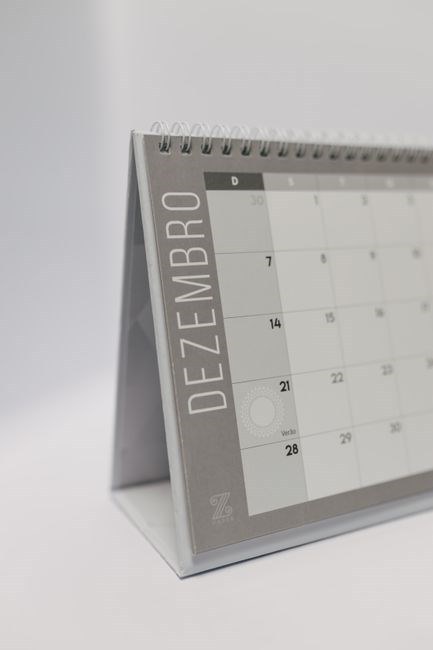
December PDFs serve as a versatile tool for aligning personal and professional commitments. By printing a full‑month layout, you can instantly see holidays, deadlines, and travel windows. For personal life, mark family gatherings, gift‑gifting dates, and health appointments. For work, overlay project milestones, client meetings, and performance reviews. The PDF format allows you to annotate directly, add color codes, and even embed hyperlinks to digital resources. When you print a copy, you can physically cross out completed tasks, giving a satisfying visual cue of progress. Digital PDFs integrate with calendar apps, sending push notifications for upcoming events. This dual approach ensures you never miss a critical date, whether it’s a board meeting or a sibling’s birthday. By synchronizing your schedule across devices, you maintain consistency and reduce the risk of double‑booking. Additionally, the ability to customize the template—adding columns for notes or budget tracking—helps you manage holiday expenses and professional expenses side by side. Ultimately, the December PDF calendar becomes a central hub for planning, enabling you to balance holiday cheer with career objectives efficiently. Use the PDF’s grid to track budget allocations for gifts, travel, and office supplies. Highlight key dates with color codes: red for deadlines, blue for personal events, green for health appointments. Attach supporting documents—flight itineraries, invoices, or meeting agendas—directly to the PDF. Set recurring reminders for check‑ins, ensuring project milestones stay on track. Finally, review the calendar at the start of each week, adjusting priorities as needed, to maintain a balanced schedule that accommodates festive joy and growth.